Natural granite does not easily yield to cutting tools. It is brittle, abrasive, and exceptionally hard. Processing it into a high-precision structural base requires specialized machinery and an unyielding commitment to tolerances.
Instead of treating granite like standard metal, we have developed a purpose-built machining workflow. From the first CNC cut to the final micro-polish, here is how we transform a raw stone block into a master precision component.
THE MANUFACTURING WORKFLOW: PHASE BY PHASE
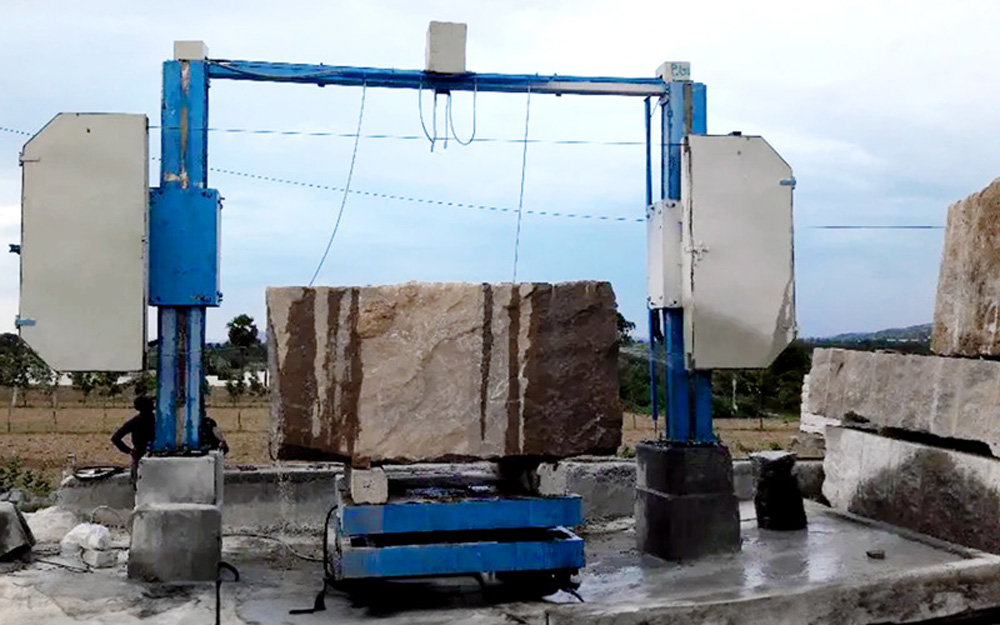
Phase 1: Heavy-Duty CNC Profiling & Routing
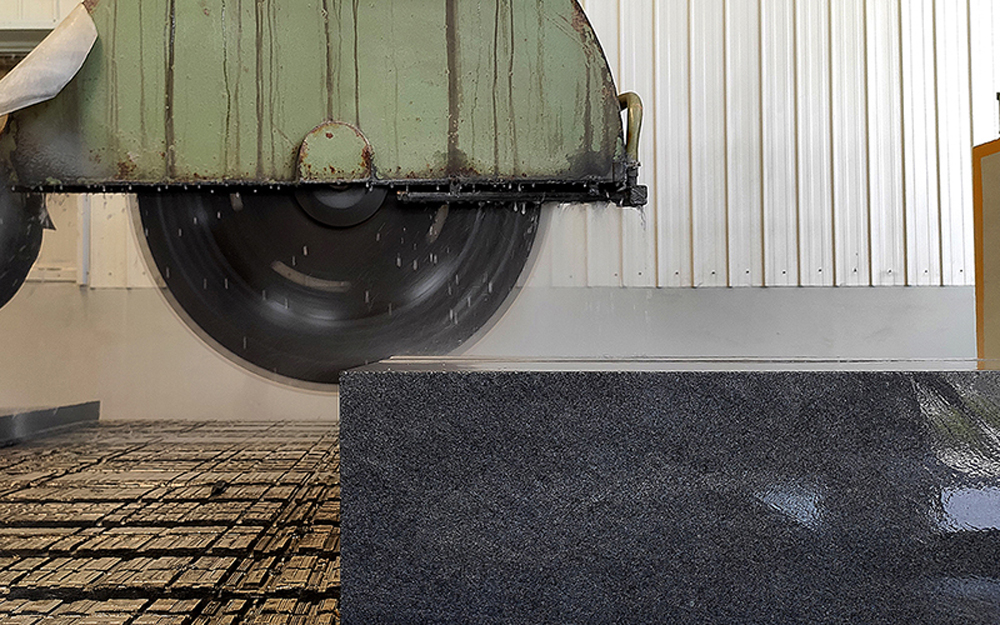
We begin by programming your CAD files into our large-format Gantry CNC machining centers. Equipped with heavy cast-iron frames and active cooling, these machines prevent the tool chatter that normally destroys brittle stone.
What we do: Complex contouring, multi-step pocketing, and deep material removal.
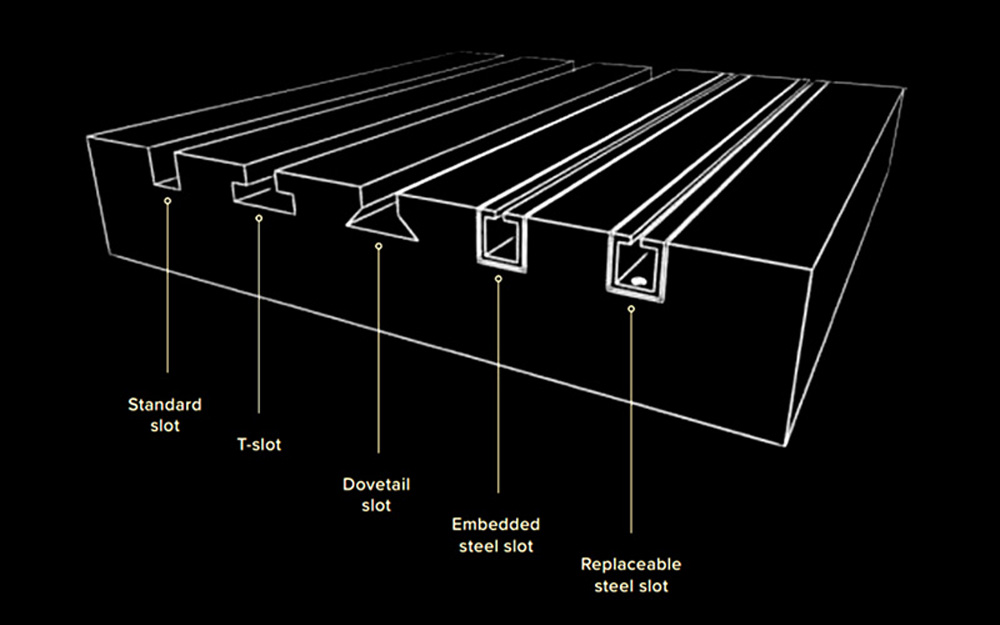
Key Capabilities: Precision T-slots, custom guide-rail channels, and intricate clearance cutouts for air-bearing stages.
Tooling: We exclusively use industrial diamond-coated cutting heads to ensure clean, stress-free edges without micro-fracturing the stone.
Phase 2: Precision Coring & Insert Potting
A granite base must integrate seamlessly with metal structural parts. This requires flawless hole positioning and secure thread anchoring.
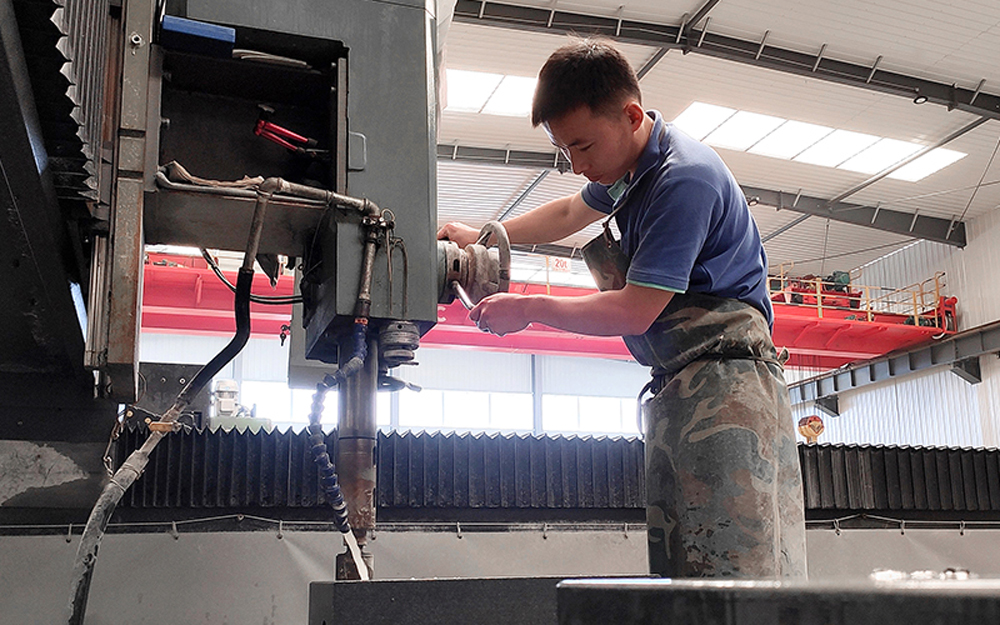
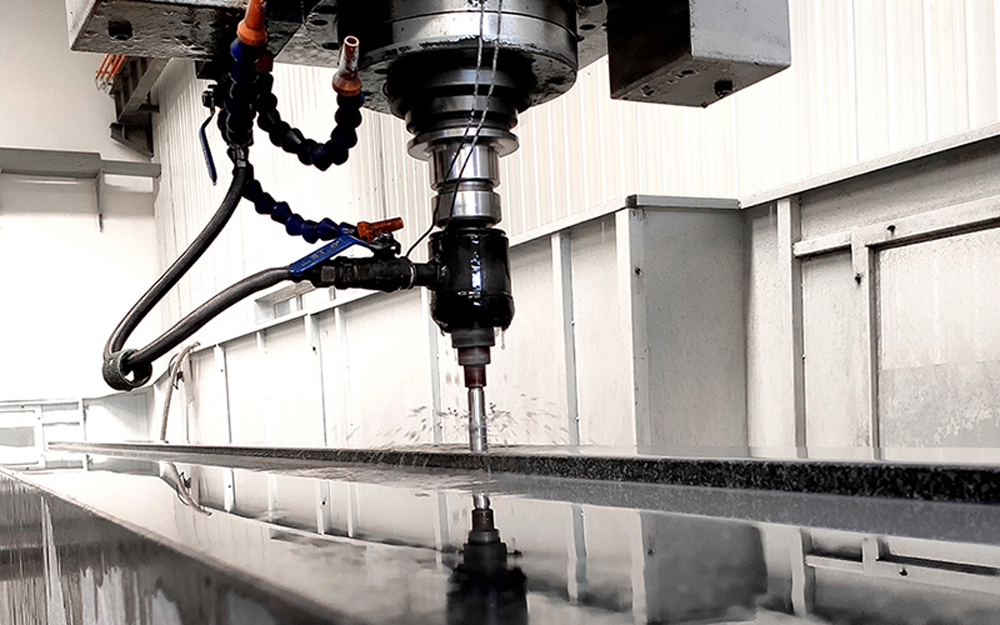
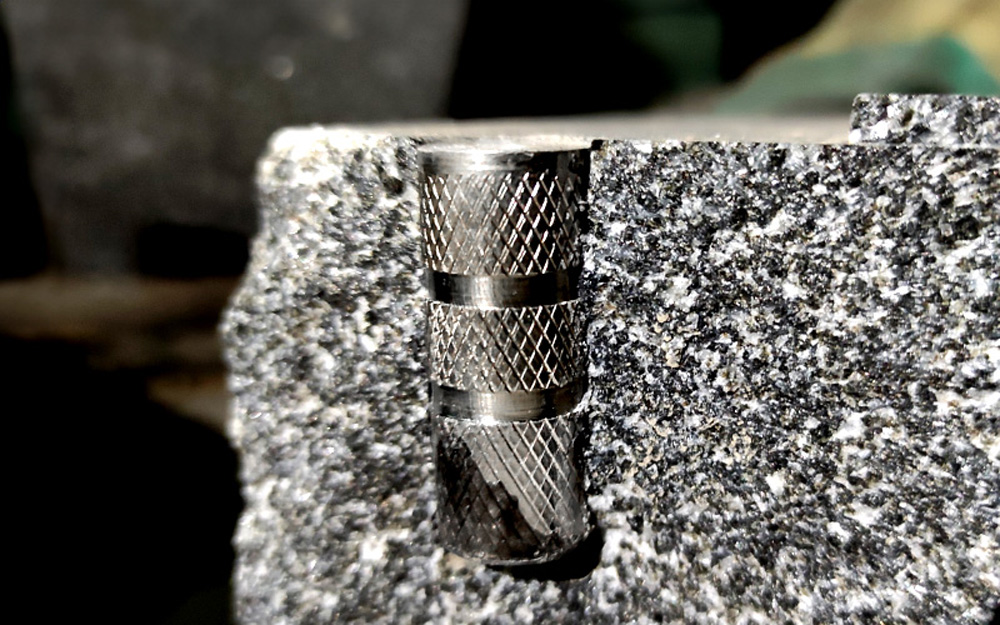
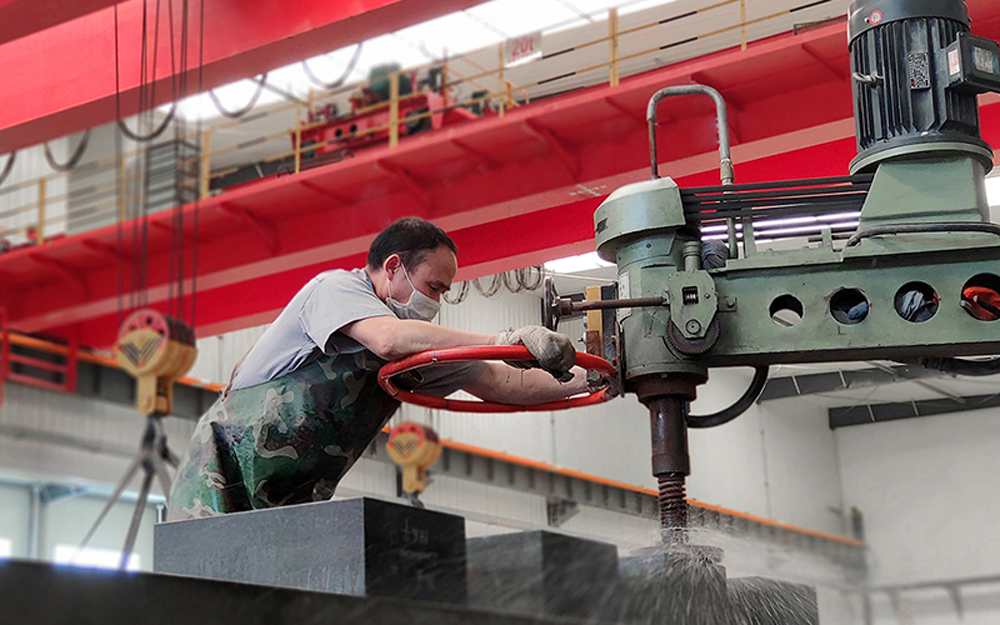
What we do: CNC blind-hole drilling, through-hole coring, and the installation of stainless steel threaded inserts.
The Process: Holes are mapped with strict positional tolerances. We then use specialized aerospace-grade structural epoxy to "pot" (anchor) the threaded inserts.
The Result: Extreme torque resistance and pull-out strength, ensuring your motors and linear rails remain rigidly locked in place for decades.
Phase 3: High-Precision Surface Grinding
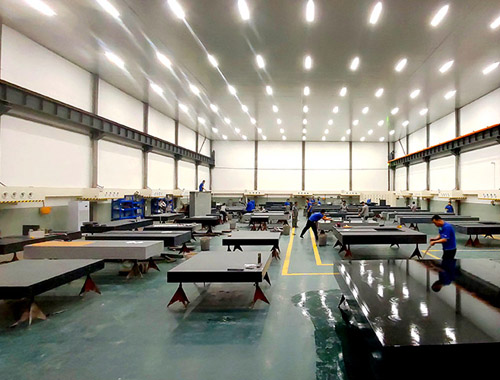
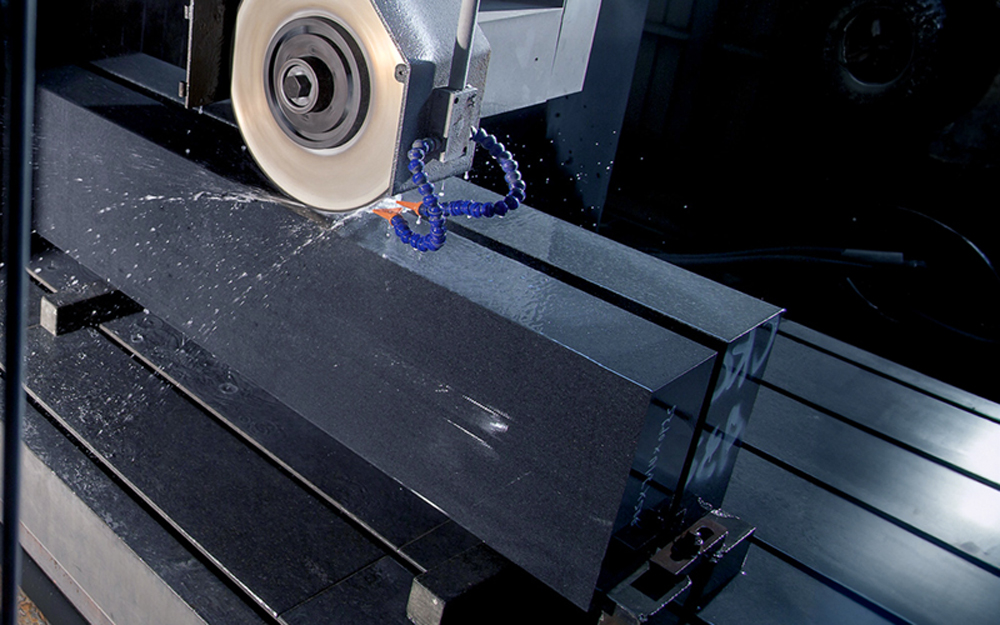
Once the geometry is formed, the component moves to our oversized surface grinders.
What we do: Removing the microscopic high spots and tool marks left by the CNC milling phase.
Why it matters: This crucial step establishes the geometric baseline—locking in the initial parallelism and perpendicularity (squareness) before manual finishing begins.
Phase 4: Micro-Precision Hand Lapping
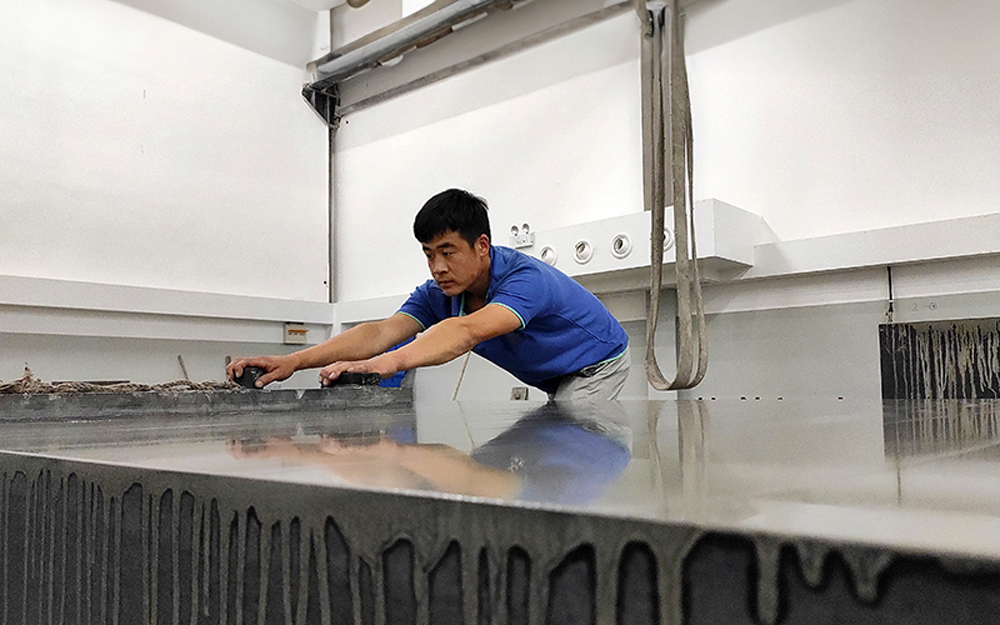
No CNC machine in the world can achieve the ultimate flatness required for a CMM or lithography machine. That requires the human touch.
What we do: Master technicians use abrasive compounds to manually shave away material at the sub-micron level.
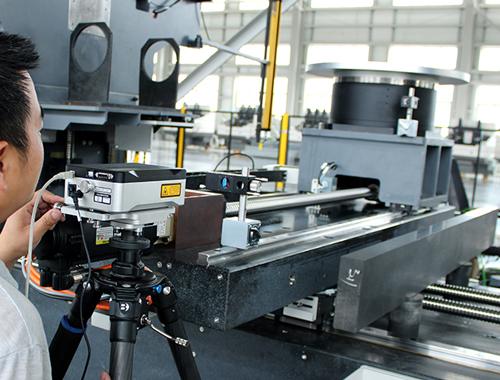
The Standard: We lap surfaces to strictly meet or exceed DIN 876 Grade 00 or 000 specifications, constantly verifying the topography with digital electronic levels.